
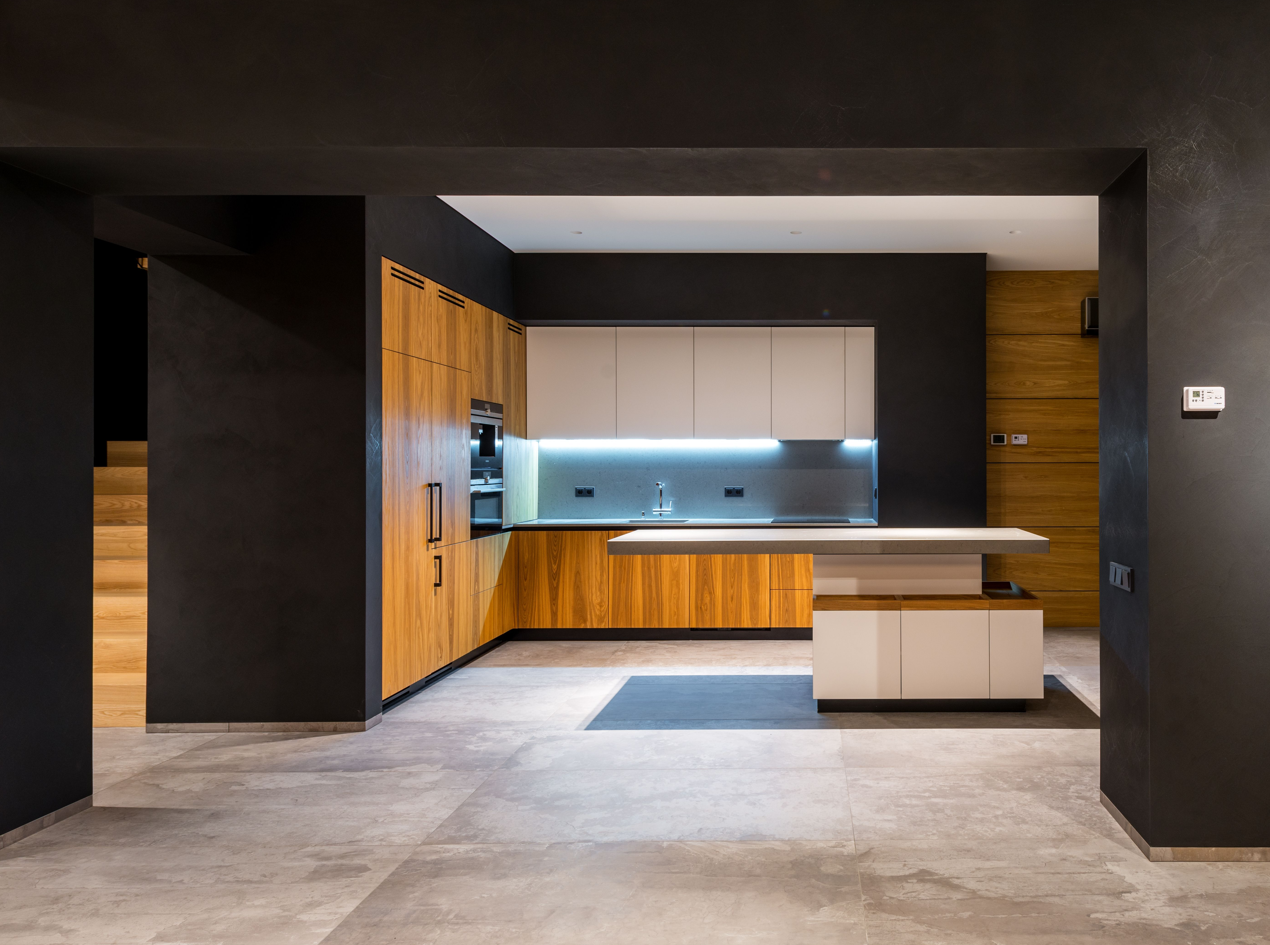
A minimalist luxury kitchen is a perfect blend of simple design, high-quality materials, and smart functionality. Eschewing excessive colours, ornamentation, or visible appliances, the focus here is on clean lines, essential storage, balanced finishes, and subtle, thoughtful details.
A minimalist luxury kitchen design achieves a sense of opulence without being overly ostentatious by incorporating natural materials, warm colour tones, custom cabinetry, built-in appliances, and well-planned lighting.
If you are planning a kitchen renovation, this guide will provide you with all the essential information regarding minimalist luxury kitchens.
A minimalist luxury kitchen is defined by clean lines, a soothing colour palette, and an open, highly functional layout.
A minimalist kitchen is designed using a combination of essential elements. Such kitchens are created featuring clean cabinet designs, concealed storage, a simple colour palette, high-quality benchtops, and well-planned lighting.
In essence, a minimalist luxury kitchen exudes elegance by keeping everything simple. Minimalist kitchens are defined by simple designs and superior quality.
Homeowners prefer kitchens that are serene, functional, and stylish; consequently, minimalist yet luxurious kitchens are becoming increasingly popular.
Modern kitchens are no longer used solely for cooking; they also serve as spaces for dining, working, socialising, and spending quality time.
Moreover, minimalist kitchens blend seamlessly with open-plan home designs. Their clean lines and use of simple colour palettes allow the kitchen to integrate effortlessly with adjoining dining and living areas. This creates a cohesive and connected atmosphere throughout the home, resulting in a beautiful and organised living space. Thanks to their simple forms, use of natural materials, and balanced colour schemes, minimalist kitchen designs have gained widespread popularity.
It is possible to create a luxurious kitchen without relying on exorbitant costs or ostentatious décor. With a minimalist or clean design, luxury can be achieved through quality, balance, and thoughtful planning rather than by cluttering the space with too many elements.
Additionally, the kitchen can be made to look even more luxurious with the help of the following elements:
Texture plays a major role in creating a luxury kitchen, lending it a sleek, cool, and beautiful aesthetic.
A minimalist yet luxurious kitchen is created using only a few select elements. Such a kitchen is defined by a combination of specific features; each element plays a distinct role, contributing to an atmosphere of serenity, cleanliness, and sophistication. The important features for creating a luxury kitchen are highlighted below:
Cabinetry plays a key role in creating a minimalist look in the kitchen. Simple cabinet doors, clean designs, and complementary finishes make the kitchen appear more organised and spacious. Flat-panel or handle-free cabinets are currently quite popular; they reduce visual clutter and create a sleek, modern aesthetic.
The most crucial element of a minimalist kitchen is its storage system. Deep drawers, pull-out shelves, pantry storage, drawer organisers, and hidden bins help keep cooking tools and other items out of sight while keeping everything secure. Moreover, smart storage solutions help maintain an organised kitchen without compromising daily functionality.
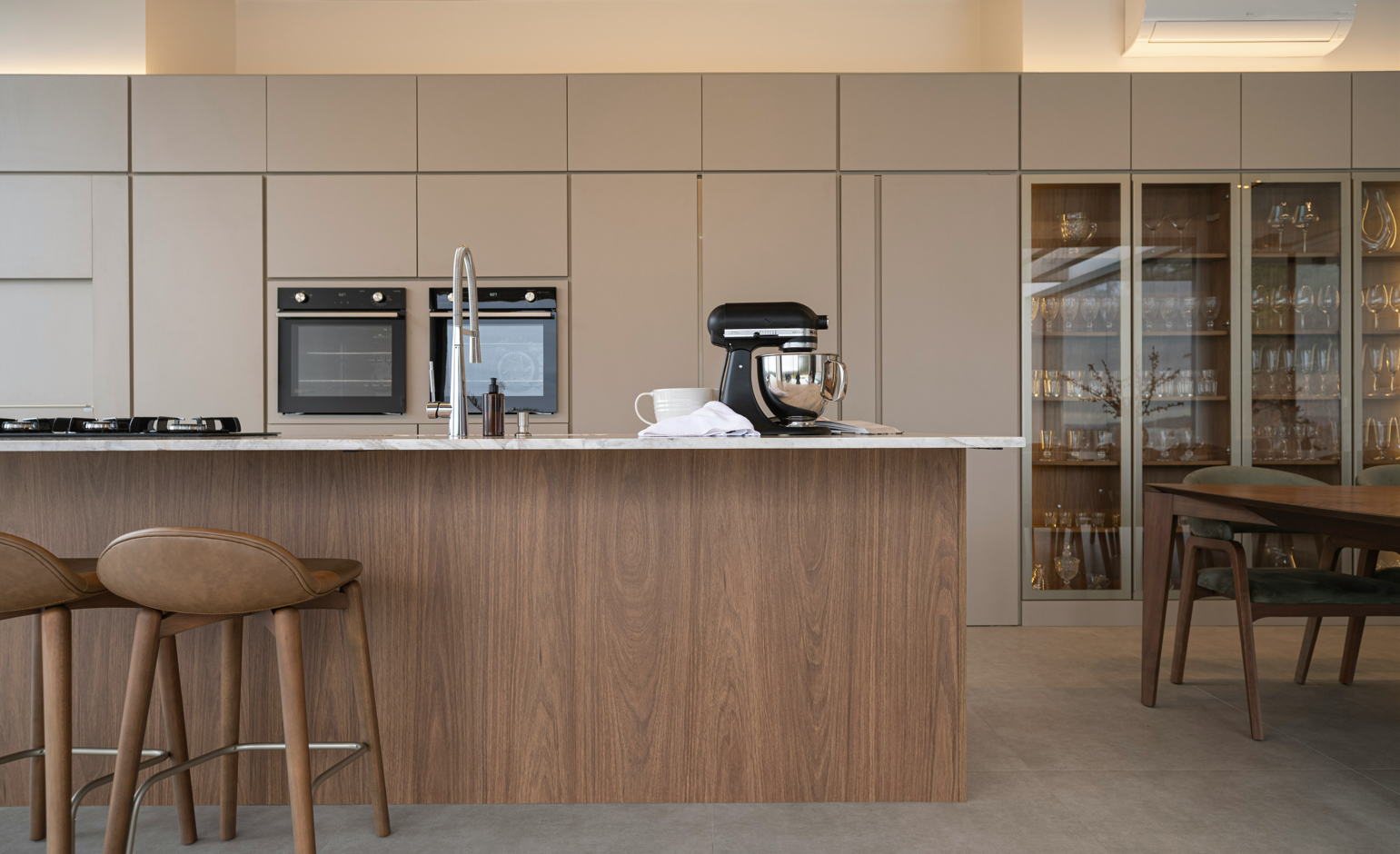
'Integrated' household appliances, those designed to blend seamlessly with cabinetry, help create a neater and more cohesive kitchen layout. By concealing appliances like fridges or dishwashers behind panels that match the cabinetry, they merge with the surrounding units, making the kitchen both more aesthetically pleasing and functional.
Quality materials add a sense of warmth, texture, and sophistication to a simple kitchen. Natural stone, wood, quartz, and other durable surfaces bring depth to the kitchen design without the need for excessive ornamentation.
For instance, natural wood adds warmth to standard cabinetry, while a carefully chosen splashback introduces subtle texture or colour.
A minimalist kitchen design utilising warm and neutral tones creates a serene atmosphere while adding comfort and a unique character to the space. Shades such as warm white, cream, beige, taupe, light grey, and natural wood tones blend beautifully to create a stunning kitchen. Additionally, incorporating dark-coloured cabinets or stone elements introduces a design contrast that enhances the kitchen's aesthetic appeal.
Lighting plays a crucial role in showcasing the beauty of the kitchen. Since minimalist kitchen designs are simple and uncluttered—often lacking elaborate ornamentation—a lack of adequate lighting can make the space feel lifeless or cold. However, the right lighting highlights the kitchen's features, improves visibility, and ensures greater comfort during use.
A minimalist kitchen can sometimes feel monotonous or lifeless if it relies too heavily on white, features an excess of hard, smooth surfaces, and lacks textural variety. The good news, however, is that even a simple design can be transformed into a warm, cosy, and inviting space.
Combining various textures and materials can make a kitchen truly attractive. Pairing smooth stone benchtops with warm-toned wooden cabinets, or contrasting a matte finish with a soft-textured rug, helps break the monotony. Even with a limited colour palette, layering different materials adds depth and aesthetic appeal to the space.
The following strategies can also enhance the kitchen's functionality and lend it a touch of luxury:
Natural elements such as wood, natural stone, and wood-look finishes add warmth and varied textures to the kitchen environment. Furthermore, wooden cabinets, a wooden island, or natural stone benchtops help introduce a touch of softness and serenity to a clean, modern design.
Incorporating soft, earthy tones—such as warm white, cream, beige, and taupe—helps create a kitchen atmosphere that feels far more cosy and inviting than one dominated by stark white or cool grey. Additionally, the use of natural wood tones adds a pleasing contrast to the space.
The use of warm lighting completely transforms the kitchen's atmosphere. You can further enhance the kitchen's beauty by incorporating 'ambient lighting' for general illumination, 'task lighting' for work areas, and soft 'feature lighting' to create a more inviting ambience.
By carefully selecting fixtures and employing a balanced design strategy, a kitchen can be made both functional and attractive. Beyond merely incorporating various elements, the use of the right components can transform a kitchen into a luxurious space.
The harmonious combination of the right materials, colours, lighting arrangements, and a personal touch creates a minimalist kitchen that feels comfortable and delightful in any setting.
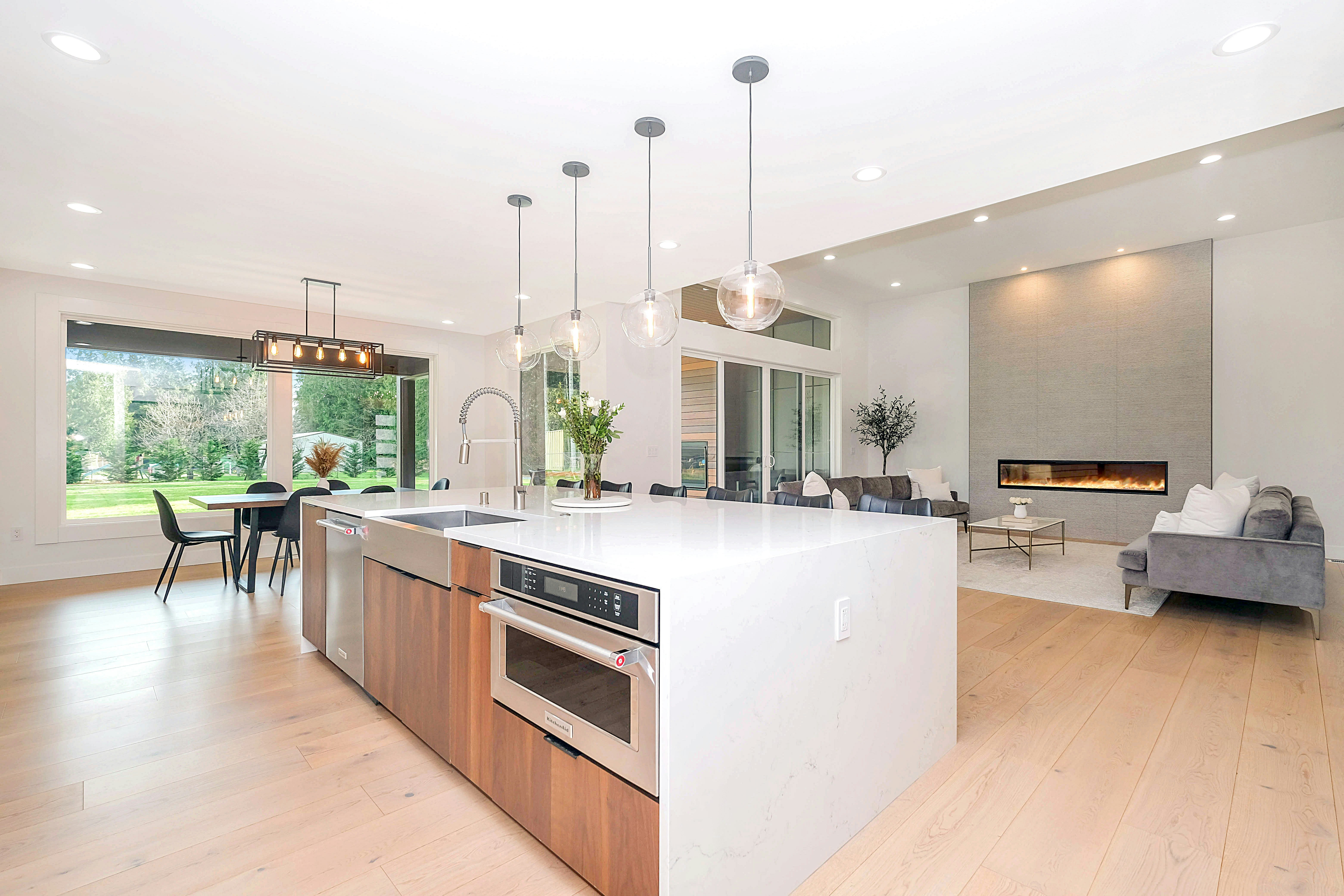
By following standard design principles and blending colours, materials, layouts, and personal tastes, you can transform a kitchen into a truly unique space. Whether you choose a warm, modern atmosphere or a bold, dramatic aesthetic, you can keep the kitchen clean, functional, and balanced.
Listed below are four popular styles currently favoured by homeowners:
Warm modern minimalism combines clean lines with natural, comfortable elements, making the kitchen truly exceptional and inviting. Additionally, light or medium-toned wood cabinetry, warm white walls, and stone benchtops create a serene and welcoming atmosphere.
Contemporary minimalism in kitchen design emphasises sleek surfaces, simple shapes, and a clean colour palette. Features such as flat-panel cabinetry, integrated appliances, a streamlined island, and understated hardware create a kitchen that is both tidy and modern.
Japandi-style kitchens blend elements of Japanese and Scandinavian design. These kitchens emphasise natural materials, clean lines, soothing colours, and a focus on both comfort and functionality. Wooden cabinetry, matte finishes, natural textures, and simple lighting work well within this style.
In a minimalist kitchen, beyond the use of light colours, the space can be made visually striking by incorporating dark-coloured cabinets, deep grey tones, dark wood, and contrasting stone. A luxurious kitchen atmosphere can also be created through a combination of warm ambient lighting, dedicated task lighting, and carefully placed feature lights.
Proper planning is the foundation of a minimalist yet luxurious kitchen. Before selecting colours, cabinets, or benchtops, one should focus on how the kitchen will be used. By following the steps outlined below, you can create a functional and modern kitchen.
Before planning the kitchen, it is essential to know how the space will be used, what items will be stored there, and the type of cooking you will be doing. Once your daily routine is understood, the kitchen layout, storage areas, and workspace can be determined effectively.
A proper layout makes using the kitchen easier and more comfortable. When selecting a layout, the placement of the sink, cooktop, fridge, island, and benchtops—as well as the main traffic paths—should be taken into account.
Storage space for essential items should be incorporated into the design right from the start of kitchen planning. This allows for the neat and organised storage of cooking utensils, food supplies, cleaning products, small appliances, and other daily necessities.
Instead of selecting each element individually, choose the benchtop, splashback, flooring, cabinetry, and hardware as a cohesive scheme or palette. Materials such as natural stone, wood, quartz, and other durable options can add varied textures and quality while keeping the overall design simple.
Before finalising the cabinet design, determine which appliances you need and where they will be placed. Built-in or integrated appliances help create a seamless and tidy look in the kitchen.
You can make your kitchen truly unique by incorporating elements and features that reflect your personal taste. Wood finishes, distinctive stonework, pendant lights, artwork, or carefully selected fixtures can all contribute to its distinct character. Additionally, you can introduce various features to enhance the kitchen's functionality according to your specific needs.
Remodelling a kitchen involves more than just selecting attractive finishes or décor; it requires proper coordination among layout changes, cabinetry, plumbing, electrical work, lighting, appliances, and construction. With the right coordination and an expert team, you can easily create the kitchen you envision.
Despite having the right concept, a minimalist or sleek kitchen might fail to exude a sense of luxury due to certain common mistakes. Therefore, it is important to pay attention to specific details; outlined below are some common errors made when designing a kitchen.
The best minimalist luxury kitchens are not designed merely to look beautiful in photographs; they are planned with the demands and needs of real life in mind. These kitchens are created by striking a balance between style, storage, lighting, materials, and functionality.


%20(1).png)