
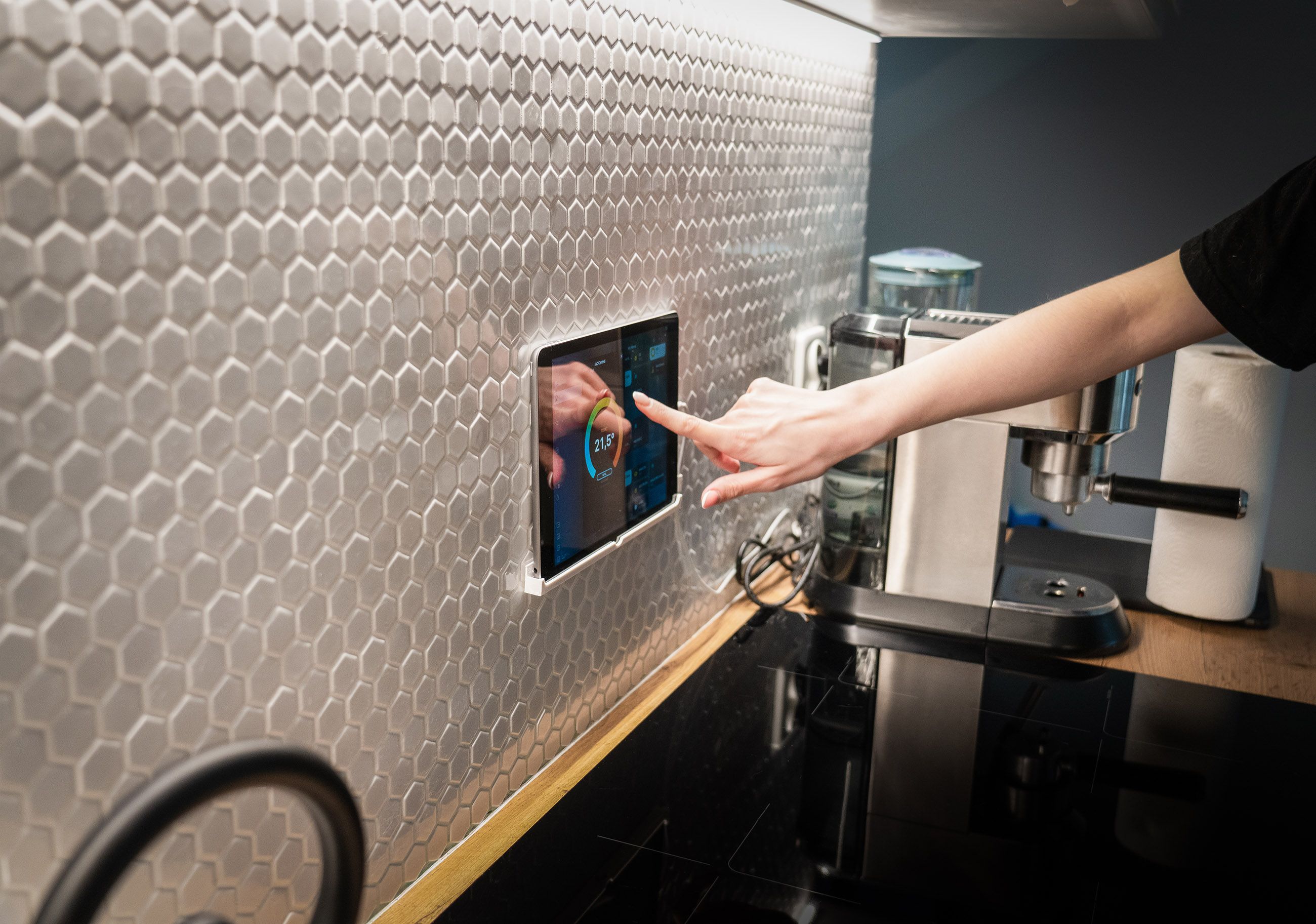
Smart homes have been introduced to homeowners to make living smarter & life easier in recent years, not a luxury reserved for only high-end properties. Today, with the target is to improve convenience, security, energy efficiency, and overall quality of life, homeowners are increasingly incorporating connected technology into their new construction projects.
The best timing advised to implement these smart features is during the building process itself, especially the planning and strategizing phase. With an early and effective plan for smart technology, homeowners will be able to create a seamless system that works together from day one, rather than adding individual devices later.
If you're building a custom home or planning a major remodel, Mercer Island Remodeling is here to uncover for you what you need to know about integrating smart infrastructure from the ground up.
Before discussing installation strategies, it's important to understand what smart home technology is since it hasn’t been introduced widely to many homeowners.
Smart home technology means all smart devices, systems, and appliances that connect through a network and can be monitored, automated, or controlled remotely. These installed technologies often communicate & are perfectly synchronized with one another to create a more smoothly efficient and personalized living experience for the owner.
Examples of a smart home installation includes:
When properly integrated, these technologies work together as a unified ecosystem that is personally tailored for the homeowner.
A common mistake that many homeowners make is to wait until after moving in to add smart devices. While this approach can somehow work, it often leads to compatibility issues, visible wiring, and limited functionality, which degrades the efficiency of the smart technology system.
Planning smart infrastructure during construction offers several advantages:
By incorporating smart home design into the building process, homeowners can create a foundation that supports evolving technology for years to come.
Successful projects begin with thoughtful smart home design plans. Rather than focusing on individual gadgets, homeowners should think about how technology will support daily life.
Questions to consider include:
Answering these questions early helps create a roadmap that guides wiring, networking, and equipment selection.
The most important foundation of an effective smart home ecosystem is to build a strong and compatible network all the way through.
Even the most advanced devices can become frustrating if connectivity is inconsistent. During construction, homeowners should consider:
A robust network serves as the backbone of every successful smart home install. Planning for sufficient bandwidth today also helps accommodate future devices and innovations.
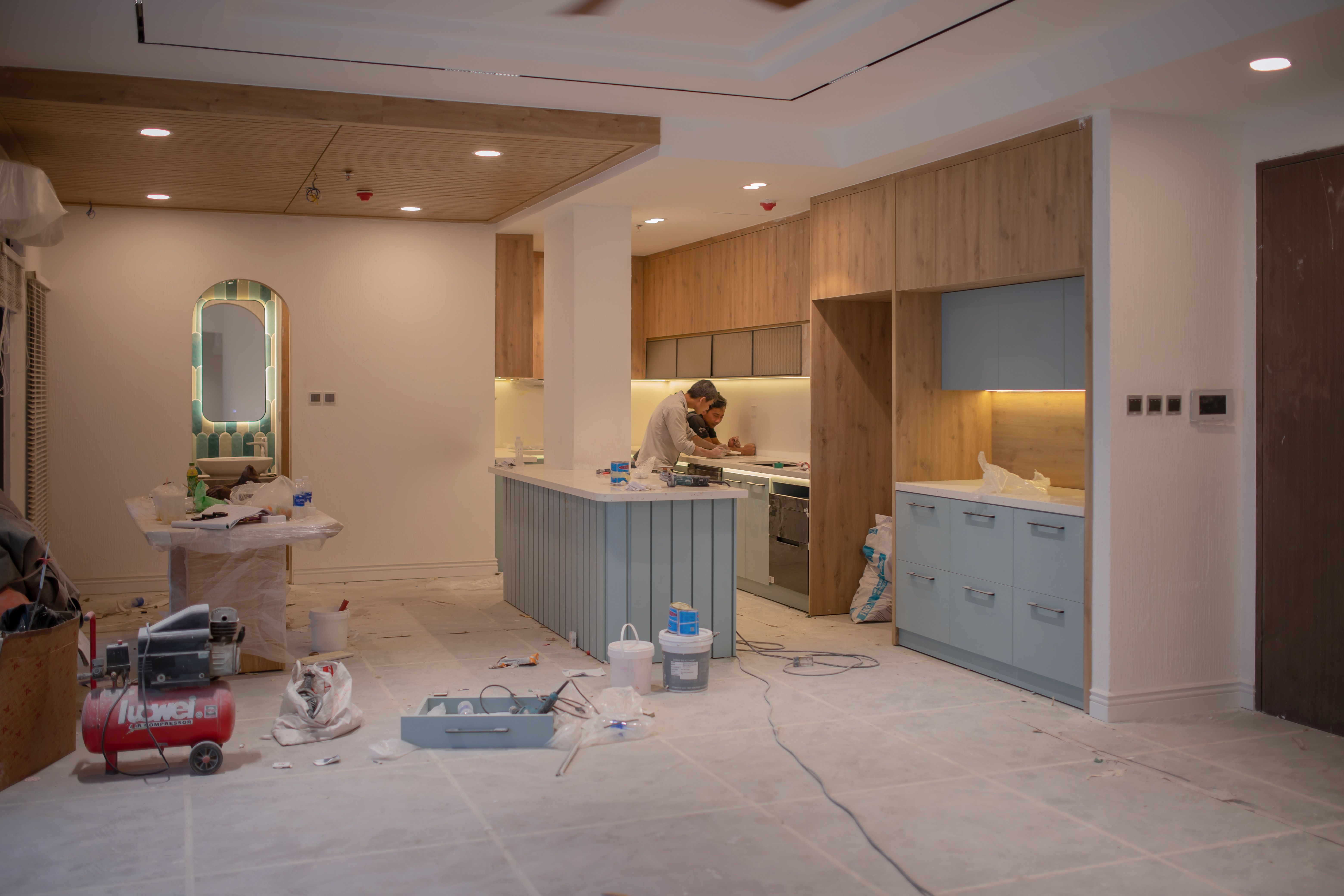
Lighting is often one of the most popular and impactful smart home features.
For example, a modern kitchen smart lighting system allows homeowners to:
For many homeowners, lighting provides the most immediate and noticeable benefits of smart technology.
Whether you're entertaining guests, working from home, or winding down for the evening, customized lighting can dramatically improve comfort and convenience.
When evaluating the best home smart lighting system, consider factors such as:
Systems should be intuitive for every member of the household.
Lighting should communicate with other smart devices, including security systems and voice assistants.
Smart controls can reduce unnecessary energy consumption by automatically adjusting lighting throughout the day.
Look for systems that allow personalized scenes, schedules, and automation routines.
The best solution is often the one that integrates seamlessly with the broader smart home ecosystem.
Security technology is another area where planning ahead delivers significant benefits.
During construction, homeowners can install:
Concealed wiring and centralized equipment locations create a cleaner, more professional result than retrofitting these features later.
Integrated security systems also allow homeowners to monitor and manage their property from virtually anywhere.
Heating and cooling account for a significant portion of household energy consumption. That’s the reason why it’s advisable to partner with a local expert who understands the region and will lead you through the process without headaches.
Smart climate systems help optimize performance by:
By incorporating these systems into the home's infrastructure, homeowners can improve comfort while potentially lowering utility costs.
Whole-home entertainment systems are becoming increasingly common in custom homes.
Features may include:
Planning these systems during construction allows speakers, wiring, and equipment to be incorporated discreetly into the home's design.
Technology evolves rapidly.
A key objective of smart home design is creating flexibility for future upgrades.
Future-proofing strategies include:
This approach ensures your home remains adaptable as new technologies emerge.
Many homeowners initially focus on convenience, but the long-term impact goes much deeper.
Understanding how smart home technology will change lives helps explain why these systems continue to gain popularity.
Smart homes can:
Automation makes homes easier to navigate and manage for aging homeowners and individuals with mobility challenges.
Smart systems optimize resource usage, reducing waste and lowering utility expenses.
Connected security devices provide real-time monitoring and alerts.
Automation reduces repetitive daily tasks, allowing homeowners to focus on what matters most.
Personalized settings create living environments that automatically adapt to occupant preferences.
As technology continues to evolve, these benefits are likely to become even more significant.
While individual smart devices can often be installed by homeowners, comprehensive systems typically benefit from professional planning and execution.
A professional smart home installation helps ensure:
For larger projects, smart home system installation should be treated as a core component of your new construction process rather than an afterthought.
The most successful smart homes aren't created by adding random devices over time—they're designed intentionally from the very beginning.
By incorporating smart home design, network infrastructure, security features, and a smart lighting system during construction, homeowners can create a connected living environment that enhances convenience, efficiency, and long-term property value.
At Mercer Island Remodeling, we help homeowners integrate technology seamlessly into custom homes and remodeling projects. Contact Mercer Island Remodeling today to get started!


%20(1).png)